Information Buoy
An information buoy is used to communicate useful information to boaters. It can indicate, for example, a marina entrance, campground access, an access area or specific information related to the waterway. It is used when the main purpose is to inform rather than guide, restrict or prohibit navigation.

What is this buoy used for?
An information buoy helps communicate a clear message using words or symbols. It is especially useful for operators who need to guide waterway users without creating confusion with primary aids to navigation.
Common applications
- Marina entrance
- Campground or resort access
- Local information for boaters
- Service or welcome area marking
- Useful information near a dock or boat ramp
Bouées Canada guidance
Bouées Canada helps you select an information buoy adapted to your site, prepare a clear solution for users and document the technical elements required for the project.
Related buoys

Identifies an area subject to a restriction, such as a speed limit or a specific waterway use rule.
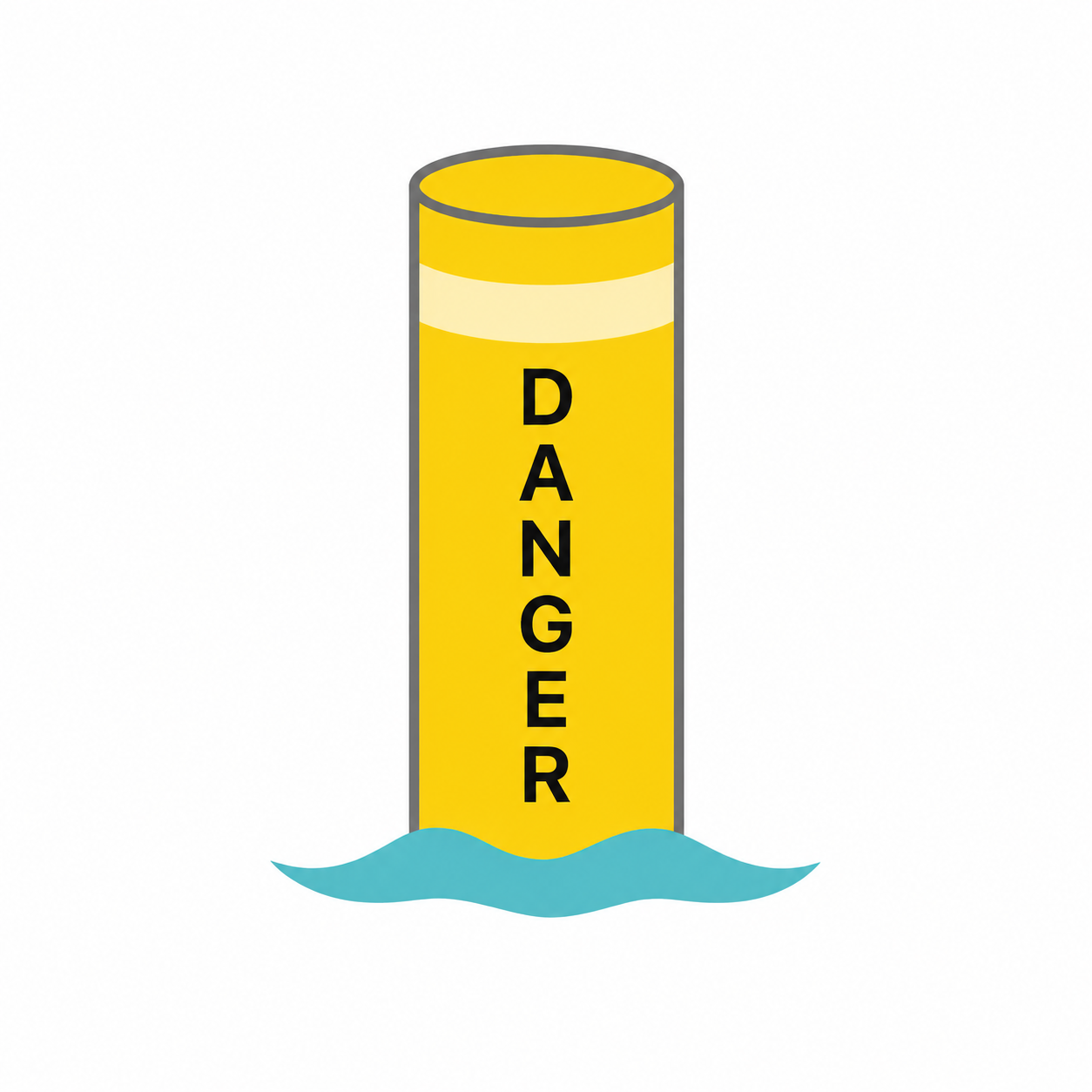
Warns boaters of specific conditions or areas where caution is required.

Marks hazards such as rocks, shoals, rapids or turbulent water.
Frequently asked questions
- What information should I provide to get a quote?
- Ideally, provide the type of waterway, intended use, approximate location, depth, bottom conditions, desired number of buoys and known constraints such as current, waves, ice or boating traffic.
- Can Bouées Canada help me choose the right buoy type?
- Yes. Bouées Canada supports municipalities, marinas, campgrounds, lake associations and operators with buoy type selection, anchoring systems and technical documentation.
- Do private buoys need to be identified?
- Private buoys generally need to be identified according to applicable requirements, including required owner information and appropriate markings. Requirements may vary depending on the use, site and regulatory framework.
Need help choosing the right buoy?
Every waterway is different. The right choice depends on the intended use, required visibility, exposure to wind and waves, depth, lakebed or seabed conditions, season of use and applicable regulatory framework. Bouées Canada helps you structure your request, select the right solution and prepare the required technical documentation.